
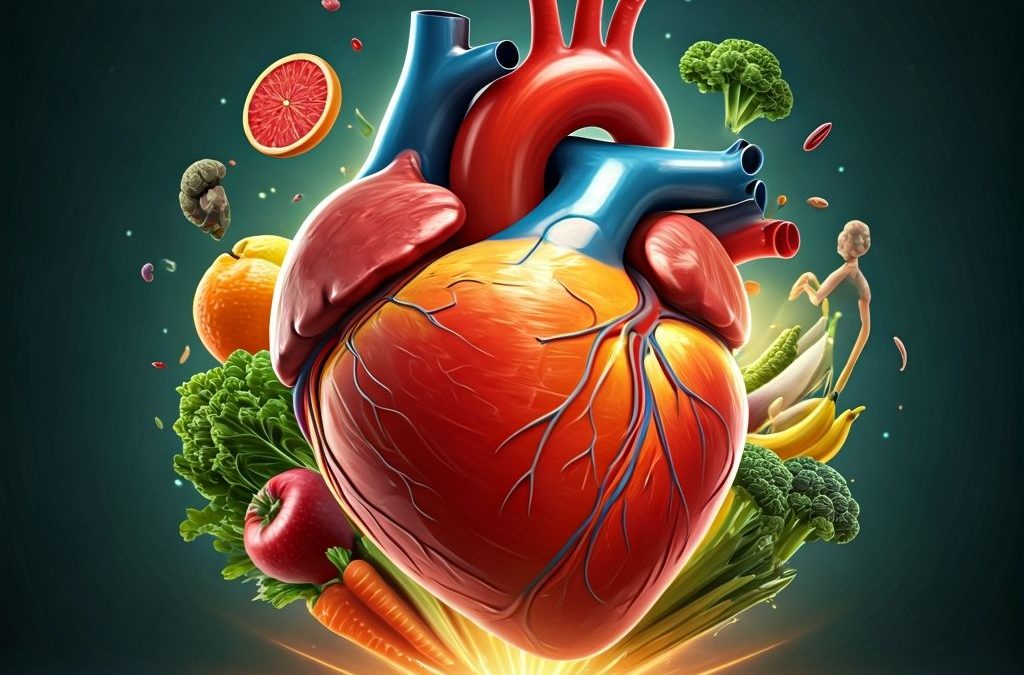
Heart Health Through Lifestyle: Lessons from Okinawa
Okinawa, a group of subtropical islands in southern Japan, is widely known for having one of the highest life expectancies in the world. As part of the famous Blue Zones, this region stands out for its low rates of chronic illnesses—especially heart disease.
What makes Okinawans exceptional isn’t genetics alone, but their daily lifestyle. Their habits offer powerful, practical lessons for improving heart health through lifestyle and living a longer, more active life.
Why Okinawa Is a Model for Heart Health
Decades of research show that Okinawans maintain strong cardiovascular health through a combination of:
-
Balanced nutrition
-
Regular physical activity
-
Strong social connections
-
Effective stress management
These lifestyle factors work together to protect the heart and prevent disease naturally.
Diet: The Foundation of a Healthy Heart
1. Plant-Based, Nutrient-Dense Foods
The traditional Okinawan diet is primarily plant-based and rich in essential nutrients.
Common foods include:
-
Sweet potatoes – High in fiber and antioxidants
-
Soy products (tofu, miso) – Support heart health with plant protein
-
Seaweed and leafy greens – Provide minerals like potassium and magnesium
-
Herbal teas (e.g., jasmine tea) – Rich in heart-protective polyphenols
This nutrient-dense approach helps regulate blood pressure, cholesterol, and overall cardiovascular function. You can also explore tools like a heart rate and oxygen monitor to track how your lifestyle impacts your health.

2. Calorie Control with “Hara Hachi Bu”
Okinawans follow the principle of “Hara Hachi Bu,” which means eating until you are about 80% full.
Benefits include:
-
Prevents overeating
-
Maintains healthy body weight
-
Reduces strain on the heart
3. Minimal Processed Foods
Their diet avoids:
-
Refined sugars
-
Processed foods
-
Unhealthy fats
This keeps key health markers like blood sugar, cholesterol, and blood pressure within optimal ranges. Following a plant-based diet for heart health can significantly reduce cardiovascular risks.
Physical Activity: Movement in Everyday Life
Okinawans don’t rely on structured workouts—instead, they stay active naturally throughout the day.
Daily activities include:
-
Walking for errands and social visits
-
Gardening, which combines movement with relaxation
-
Traditional activities like karate and dance
This consistent, low-impact movement supports heart health, improves circulation, and reduces obesity risk. Using a smart fitness tracker for daily activity can help you stay consistent with movement goals.
Social Connections and Emotional Well-Being
The Power of “Moai”
A moai is a lifelong social support group that provides emotional and practical support.
Health benefits:
-
Reduced stress levels
-
Lower risk of depression
-
Stronger motivation for healthy habits
Living with Purpose: “Ikigai”
Okinawans embrace ikigai, meaning “a reason for being.”
Having purpose in life:
-
Improves mental well-being
-
Reduces risk of heart disease
-
Increases longevity
Stress Management: Protecting the Heart
Chronic stress is a major contributor to heart disease. Okinawans manage stress through simple, mindful practices:
-
Slow living and gratitude
-
Spending time in nature
-
Participating in cultural traditions
These habits reduce inflammation, lower blood pressure, and protect cardiovascular health.
Lifestyle Lessons You Can Apply Today
You don’t need to live in Okinawa to benefit from these habits. Here’s how you can apply them:
-
Adopt a plant-based diet – Focus on whole, nutrient-rich foods
-
Eat mindfully – Avoid overeating and practice portion control
-
Stay active daily – Walk, garden, or move regularly
-
Build strong relationships – Stay socially connected
-
Find your purpose – Engage in meaningful activities
-
Manage stress effectively – Practice mindfulness and relaxation
Conclusion
Okinawa shows us that heart health is shaped by daily choices, not chance. A balanced diet, regular movement, meaningful relationships, and emotional well-being all contribute to a strong and healthy heart.
By adopting these simple yet powerful lifestyle habits, you can reduce your risk of heart disease, improve your quality of life, and enjoy long-term vitality.
The key takeaway: true longevity comes not from quick fixes, but from how you live every day.

Top Organic Serums: Best Recommendations for Healthy Skin
Organic Serum For All, Top Recommendation, Best...

VIBRANT GLAMOUR Hyaluronic Acid Serum – Minimize Pores & Hydrate
VIBRANT GLAMOUR Hyaluronic Acid Shrink Pore Face Serum Moisturizing Whitening Essence...

Organic Aloe Vera brightening Serum for Hydration, Radiant and Healthy Skin
VIBRANT GLAMOUR Hyaluronic Acid Shrink Pore Face Serum Moisturizing Whitening Essence...

Anti Gray Hair Serum – Turn White Hair to Black Quickly
Say Goodbye to Dyes: The Natural Anti Gray Hair Serum That Actually WorksAre you tired...

Instant Cream to Tighten, Smooth and Nourish Your Skin
Instant Firming Cream, Tightens, Smooths Fine Lines, Deep Hydration, NourishingInstant...
More Article

Best Home Health Products You Can Use in 2026
Taking control of your health at home is no longer a luxury—it’s a smart and practical necessity...

World’s Oldest People Share Their Secrets to a Long and Happy Life
The World’s Oldest People Reveal Secrets How to Live Happy and as Long as Possible Secrets of the...

Improve Sleep with SLEEPON – Smart Technology for Better Sleep and Health
In today’s fast-moving world, quality sleepon is no longer optional — it’s essential. Poor sleep...

0 Comments